Your treatment is only part of the process. What you do before your appointment matters, too.
When you schedule a laser treatment, microneedling session, or chemical peel, you're probably thinking about the results: smoother texture, fewer dark spots, brighter skin, and a more even complexion.
But here's something we want you to know at Adorn Aesthetics: Your skin's condition before treatment can influence how it responds afterward.
That's why we may recommend a customized skincare routine before your appointment. We call this skin prep or skin priming.
The goal isn't simply to add more products to your routine. It's to support a healthy skin barrier, manage inflammation, address excess pigmentation, and protect your skin from environmental damage.
Let's talk about four important components of skin prep and why each matters.
1. Antioxidants: Help Defend Against Everyday Skin Stress
Every day, your skin encounters environmental stressors, including UV radiation and pollution. These exposures can generate free radicals, which contribute to oxidative stress.
Oxidative stress can affect skin health, contribute to premature aging, and play a role in pigmentation changes.
Antioxidants help neutralize free radicals and support healthier-looking skin.
Common skincare antioxidants include:
-
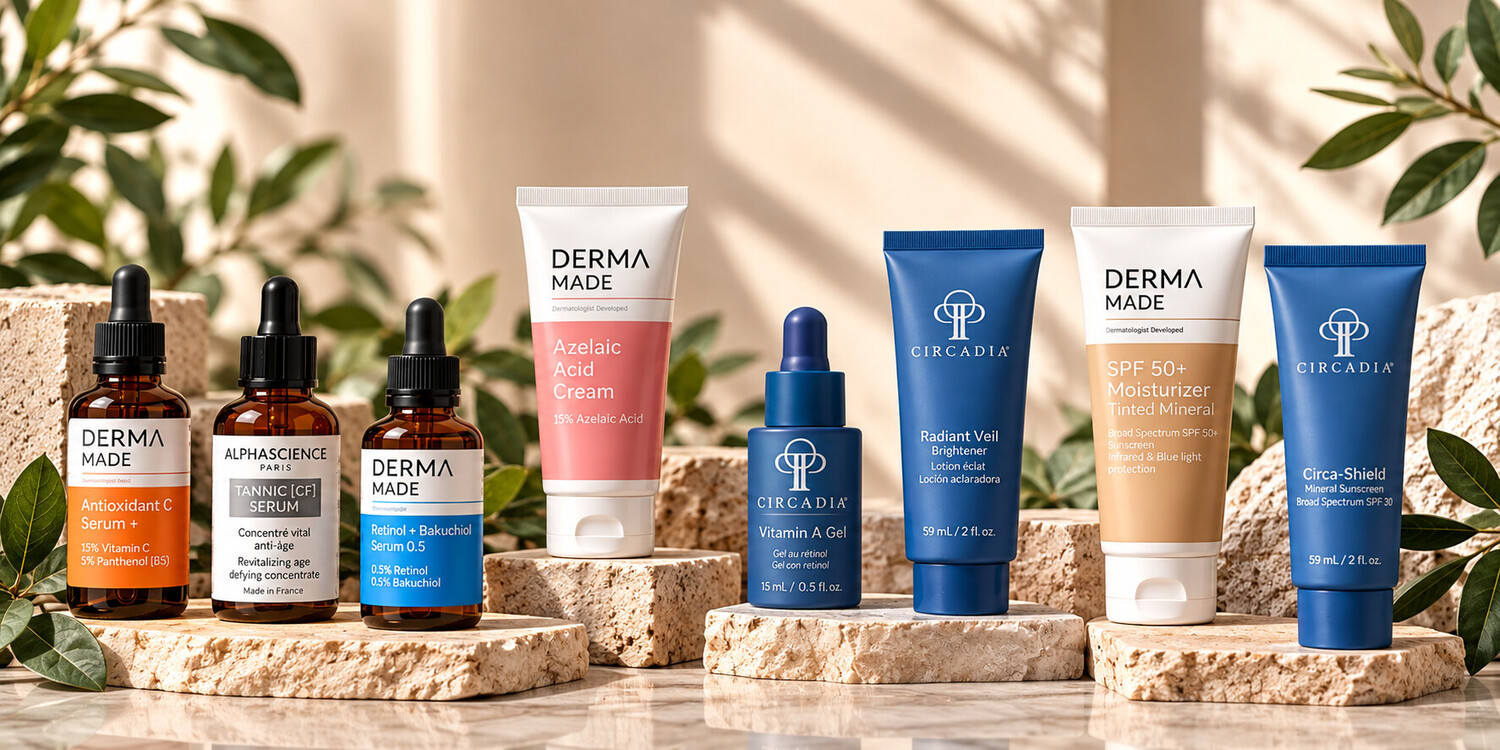
Vitamin C
-
Vitamin E
-
Ferulic acid
-
Green tea extracts
Vitamin C is especially popular because it offers antioxidant benefits and can also help address uneven skin tone.
Why we recommend them: Antioxidants can support your overall skincare routine before treatment. Although they have benefits for skin health, they have not been proven to prevent complications from every laser or resurfacing procedure.
2. Anti-Inflammatory Ingredients: Keep Your Skin Calm
Inflammation is a natural part of healing. In fact, treatments such as microneedling and laser resurfacing create controlled injury to stimulate the skin's repair process.
However, excessive or prolonged inflammation can contribute to unwanted pigmentation, particularly in individuals prone to post-inflammatory hyperpigmentation (PIH).
PIH is the darkening that can occur after acne, irritation, burns, or other inflammatory skin conditions.
For patients with melanin-rich skin, managing unnecessary inflammation is an important part of treatment planning.
Ingredients we may recommend include:
-
Niacinamide: Helps support the skin barrier and reduce inflammation.
-
Azelaic acid: Offers anti-inflammatory benefits while also helping manage acne and pigmentation.
-
Panthenol: Helps support hydration and skin barrier recovery.
-
Centella asiatica: May provide soothing benefits in appropriate formulations.
Why we recommend them: Calmer, healthier skin is generally better prepared for advanced treatments. However, even beneficial ingredients can cause irritation, so your routine should be selected based on your skin's tolerance.
3. Anti-Pigment Ingredients: Help Manage Excess Melanin Production
If you're treating dark spots, melasma, or acne scars that have left discoloration, this step is particularly important.
Our skin naturally produces melanin, the pigment responsible for skin color. But inflammation, UV exposure, hormonal changes, and certain skin conditions can stimulate excess pigment production.
Advanced treatments may help improve existing discoloration, but they don't necessarily eliminate the processes that caused it.
That's where pigment-correcting skincare comes in.
Depending on your skin concerns, we may recommend ingredients such as:
-
Azelaic acid: Helps address acne and uneven pigmentation.
-
Tranexamic acid: Used in certain topical formulations to help manage stubborn discoloration.
-
Niacinamide + N-Acetyl Glucosamine (NAG): Helps improve the appearance of uneven skin tone.
-
Arbutin: Helps reduce excess pigment formation.
-
Hydroquinone: A prescription pigment-correcting treatment used selectively under medical supervision.
Why we recommend them: Pigment management before treatment may help establish a more controlled starting point, particularly for patients with melasma or a history of PIH.
Not every patient needs a prescription pigment suppressant, and no topical product can guarantee that pigmentation won't occur after a procedure.
4. SPF: Your Most Important Daily Protection
You can invest in excellent skincare and advanced treatments, but without consistent sun protection, maintaining your results becomes much more difficult.
UV exposure can stimulate melanin production, worsen existing discoloration, and contribute to premature skin aging.
Visible light can also worsen certain pigmentation conditions, especially melasma and hyperpigmentation in darker skin tones.
That's why we recommend:
-
Broad-spectrum SPF 30 or higher every day.
-
Tinted sunscreen containing iron oxides when managing melasma or hyperpigmentation.
-
Reapplication approximately every two hours when outdoors, as well as after swimming or sweating.
-
Additional protection through hats, shade, and avoiding unnecessary sun exposure.
Why we recommend it: Sunscreen helps protect your skin before treatment and supports long-term pigment management afterward.
For patients receiving laser treatments or chemical peels, following sun-exposure precautions is especially important.
How Long Should You Prep Before Treatment?
There's no single timeline that works for everyone.
Some patients may need only a short period of barrier-focused skincare, while others—particularly those managing melasma, active acne, or persistent hyperpigmentation—may benefit from several weeks of preparation.
At Adorn Aesthetics, we customize your pre-treatment routine based on your skin condition, medical history, planned procedure, and treatment goals.
We may also ask you to temporarily discontinue certain active ingredients before treatment to reduce irritation. Your provider will explain exactly what to continue, pause, and restart.
Why This Matters for Skin of Color
Melanin-rich skin is beautiful, but it can also be more susceptible to post-inflammatory pigmentation changes following irritation or injury.
That doesn't mean advanced treatments are off-limits.
It means choosing the appropriate treatment, preparing the skin thoughtfully, using suitable settings, and following a personalized aftercare plan are especially important.
Our goal isn't simply to perform a treatment. It's to develop a strategy that supports healthier skin and more consistent results over time.
Great Results Start Before Your Appointment
At Adorn Aesthetics, we believe skin prep is part of the treatment—not an optional afterthought.
Whether you're preparing for laser resurfacing, microneedling, or a corrective chemical peel, the right skincare routine can help address the concerns we're treating while supporting your skin's overall health.
Ready to take the next step toward healthier, more even-toned skin?
Schedule a consultation with Adorn Aesthetics in Cordova, TN. We'll help you understand your skin, choose the appropriate treatment, and create a personalized plan to prepare for it.
Adorn Aesthetics — Where education meets intentional skincare.

Deloris & Tynisha Adorn
Contact Me.jpg)